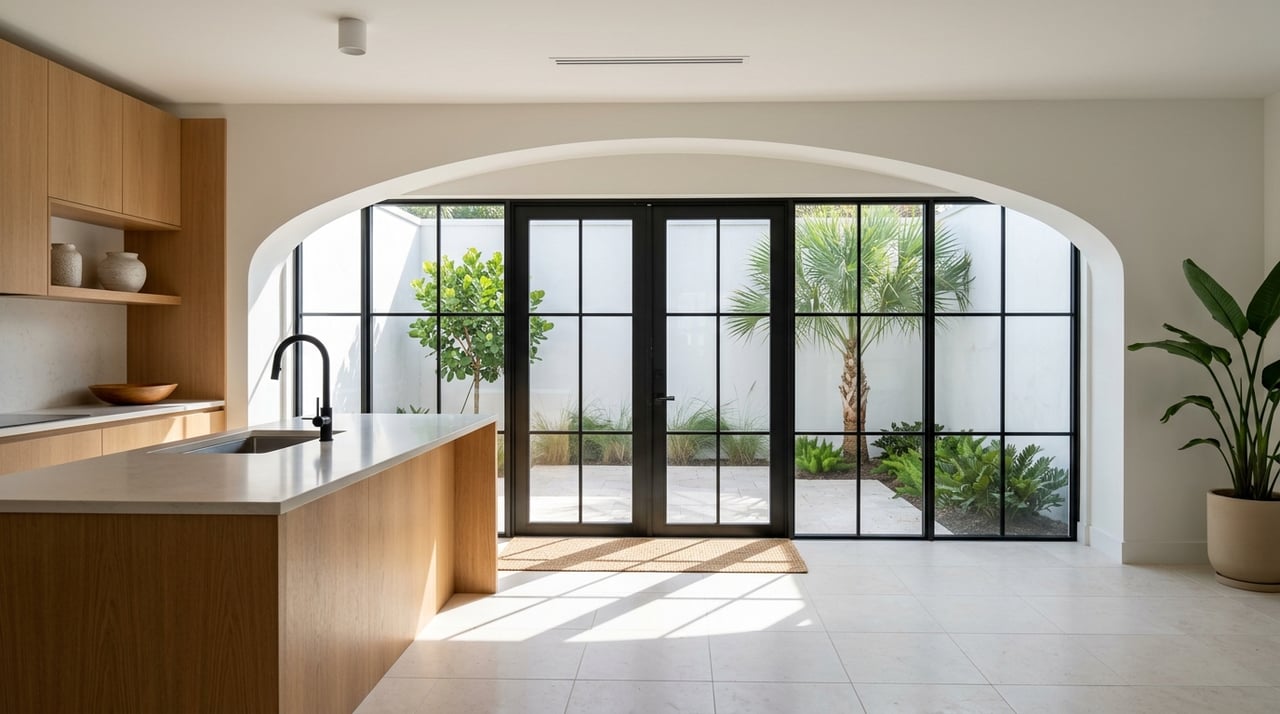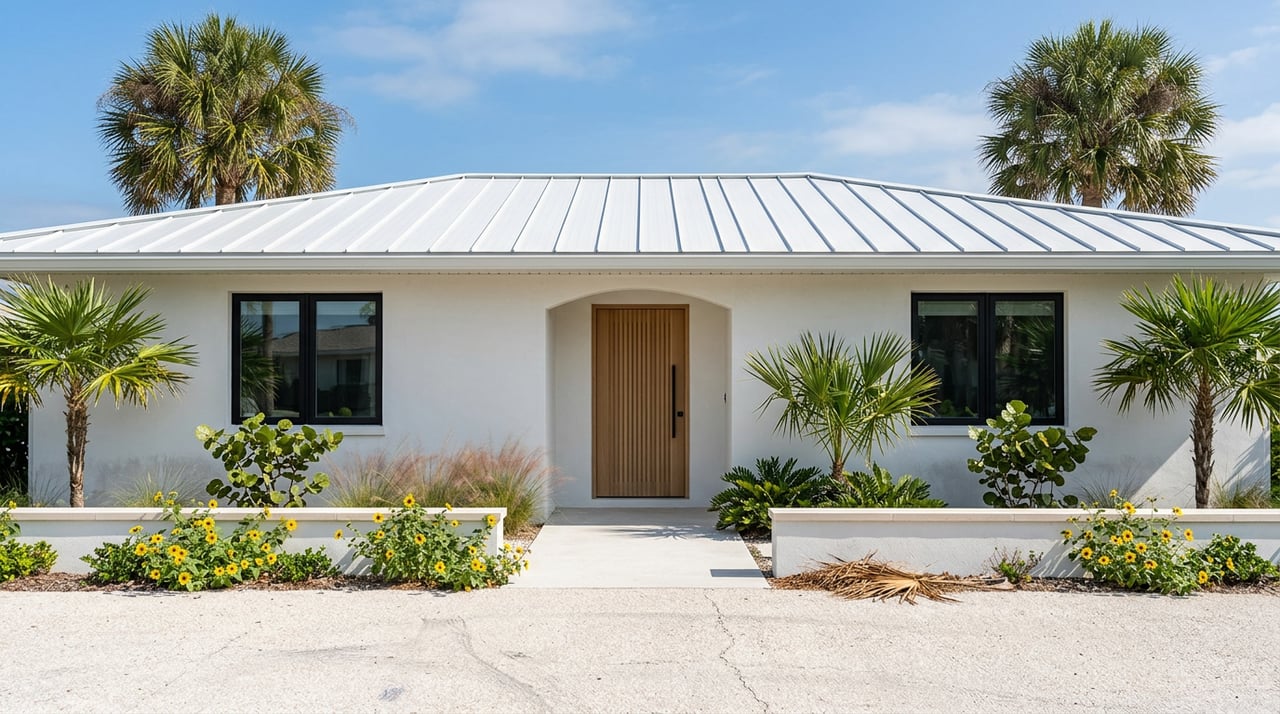
You can feel it the second you step onto the sand: Juno Beach moves at a calmer pace. If you crave ocean views, quick beach walks, and a low-key coastal lifestyle, this little slice of Palm Beach County could be your fit. In this guide, you’ll learn what oceanfront living here really looks like, from housing styles and amenities to sea turtle season rules, flood and insurance basics, and everyday conveniences. Let’s dive in.
Juno Beach at a glance
Juno Beach is compact and coastal, with about 2.4 miles of public beaches and a town footprint of roughly 2.6–2.7 square miles along A1A between Jupiter and the barrier-island towns south toward Palm Beach. The town reports the beach mileage and compact scale in municipal documents. You get intimate shoreline access without the feel of a giant resort strip. Town reports about 2.4 miles of beaches.
One of the area’s anchors is the Juno Beach Pier, a 990-foot county facility popular with anglers and sunrise walkers. It is managed in partnership with the Loggerhead Marinelife Center, which brings research, education, and community programming to the shoreline. Learn more about the Juno Beach Pier and programs.
Oceanfront home styles and amenities
Oceanfront living in Juno Beach spans boutique to full-service. You’ll find low- and mid-rise condominiums, a few taller luxury towers, and single-family homes along the ocean or near the Intracoastal. Many smaller buildings sit between U.S.-1 and A1A, prioritizing direct beach access and nearby parks over busy commercial corridors. Town planning records show a mix of densities and some infill redevelopment opportunities in these pockets. For policy and land-use context, review the town’s Comprehensive Plan and planning pages.
Condos with resort comforts
If you want turnkey convenience, Juno’s oceanfront condos deliver. Expect private or semi-private beach paths, pool and sun decks, elevators, fitness rooms, and secure, assigned or covered parking. Many buildings feature hurricane-rated windows or shutters, association-managed exterior and landscape maintenance, and club or theater rooms. Larger properties may also offer concierge services and tennis.
Low-key complexes and homes
Prefer fewer neighbors and a more residential vibe? Smaller buildings and single-family streets between U.S.-1 and A1A tend to feel intimate and close to nature. Here, your routines look like early walks to the sand, bike rides for coffee, and quiet evenings on the balcony listening to the surf. The architecture is varied, and infill lots sometimes present renovation or redevelopment potential in line with town codes.
Design review and building height
Juno Beach applies design and appearance standards, particularly for taller projects. That keeps the skyline measured and the streetscape cohesive. If you are considering a renovation or future development, it is smart to understand the design and height review process. The town’s planning resources summarize procedures and outline how state policy changes interact with local rules.
Beaches, parks and the pier
Beyond sand and surf, Juno’s green spaces shape daily life. Juno Dunes Natural Area and Loggerhead Park offer trails, a high natural dune lookout, and a break from the more developed oceanfront parcels. If you enjoy sunrise runs, birding, or simply a shaded bench with a sea breeze, these preserves add depth to your routine. Explore the Juno Dunes Natural Area.
Trails and easy beach access
A1A acts as a coastal spine with multiple walkovers and short connections to local restaurants and small plazas. Many neighborhoods are a quick walk or bike ride to the sand. County and town parks publish details on restrooms, showers, and ocean rescue, so you can plan beach days with confidence. You can find those details on the Juno Beach Pier and park page.
Sea turtles and seasonal rules
Juno Beach sits in one of the densest loggerhead turtle nesting areas in the world. Nesting season is widely recognized from March 1 to October 31. During that period, lighting rules and on-beach furniture guidelines protect nesting females and hatchlings. Expect outreach from buildings and local nonprofits about shades, lights, and beach setup. Review turtle-safe lighting guidance from the Florida Fish and Wildlife Conservation Commission, and keep an eye on seasonal programs and guided turtle walks through the Loggerhead Marinelife Center.
Practical buyer checklist
Coastal property comes with unique due diligence. Use this quick list as you compare options:
Flood zones and elevation
- Many oceanfront addresses fall in AE or coastal high-hazard zones. Ask for the property’s Elevation Certificate or finished-floor elevation, and confirm current FEMA map designations. Start with Palm Beach County’s update hub on flood zone changes and the town’s Elevation Certificate information.
- Get flood insurance quotes early. Compare NFIP and private carriers so you understand coverage options and timing.
Shoreline and dunes
- Northern Palm Beach County’s beaches undergo periodic renourishment and dune restoration. Timing and scope can affect beach width and near-shore profiles in the short term, while improving storm protection over the long term. Review the state’s budgeting for active or planned projects in the FDEP Beach Management plan.
Local land use and redevelopment
- Juno Beach maintains a comprehensive plan and land development regulations that shape density and design. State policy updates, including newer affordable housing statutes, interact with these standards and have prompted local planning updates. For current context, check town planning resources and recent agendas via the Comprehensive Plan page.
Pro tip: If you plan to renovate, have your contractor or inspector evaluate window/door ratings, roof condition, and any HOA guidelines early. It will save time and smooth approvals.
Getting around and daily life
Transportation
- You will likely drive most places, but Palm Tran provides countywide bus service if you want a car-light day. Trip planning and route details are available through Palm Tran. The nearest Tri-Rail access for broader South Florida trips is the Mangonia Park/West Palm Beach station.
Hospitals and care
- The nearest full-service hospitals are Palm Beach Gardens Medical Center and Jupiter Medical Center, typically a short drive from most oceanfront addresses depending on traffic.
Groceries and dining
- Everyday shopping is concentrated along U.S.-1 and in nearby North Palm Beach and Palm Beach Gardens. From many oceanfront buildings, you are about 5 to 15 minutes by car to full grocery and pharmacy services, with local restaurants and casual spots closer to the beach.
Is Juno Beach a fit for you?
If you want ocean views and a mellow, nature-forward vibe, Juno Beach checks the box. Nights are more conversation than club, with activity clustered near local restaurants and bars rather than big-city nightlife. You get the convenience of nearby services, the calm of protected dunes and parks, and buildings that offer the comforts you expect at the water’s edge. For many buyers, it is the ideal blend of simplicity and access.
Whether you are buying for your own lifestyle or as a second home you occasionally rent, you will benefit from guidance that blends local market knowledge with construction know-how. If you want turnkey product or help assessing renovation potential, schedule a consultation with Tyler Cameron to map your next steps.
FAQs
What types of oceanfront homes are in Juno Beach?
- You will find low- and mid-rise condos, a few taller luxury towers, and single-family homes near the ocean or Intracoastal, with many smaller complexes between U.S.-1 and A1A.
How does sea turtle season affect lighting and beach use?
- From March 1 to October 31, turtle-safe lighting and on-beach furniture rules apply to protect nests and hatchlings; see FWC guidance on lighting ordinances.
What amenities do Juno Beach condos typically include?
- Expect private or semi-private beach access, pools, fitness rooms, elevators, secure or covered parking, hurricane-rated openings, and HOA-managed exterior maintenance.
How do flood zones and insurance work for oceanfront properties?
- Many locations fall in AE or coastal high-hazard zones; request the Elevation Certificate, confirm FEMA map updates, and get early quotes from NFIP and private insurers via county flood zone updates and town elevation certificate info.
What is daily life like for errands and healthcare access?
- Most oceanfront addresses are 5 to 15 minutes by car to full grocery and pharmacies, with hospitals in nearby Palm Beach Gardens and Jupiter and bus service through Palm Tran.
What should I know about shoreline renourishment?
- Periodic beach and dune projects occur in northern Palm Beach County; timing can affect beach width in the short term and improve storm protection over time. Check the FDEP Beach Management plan.