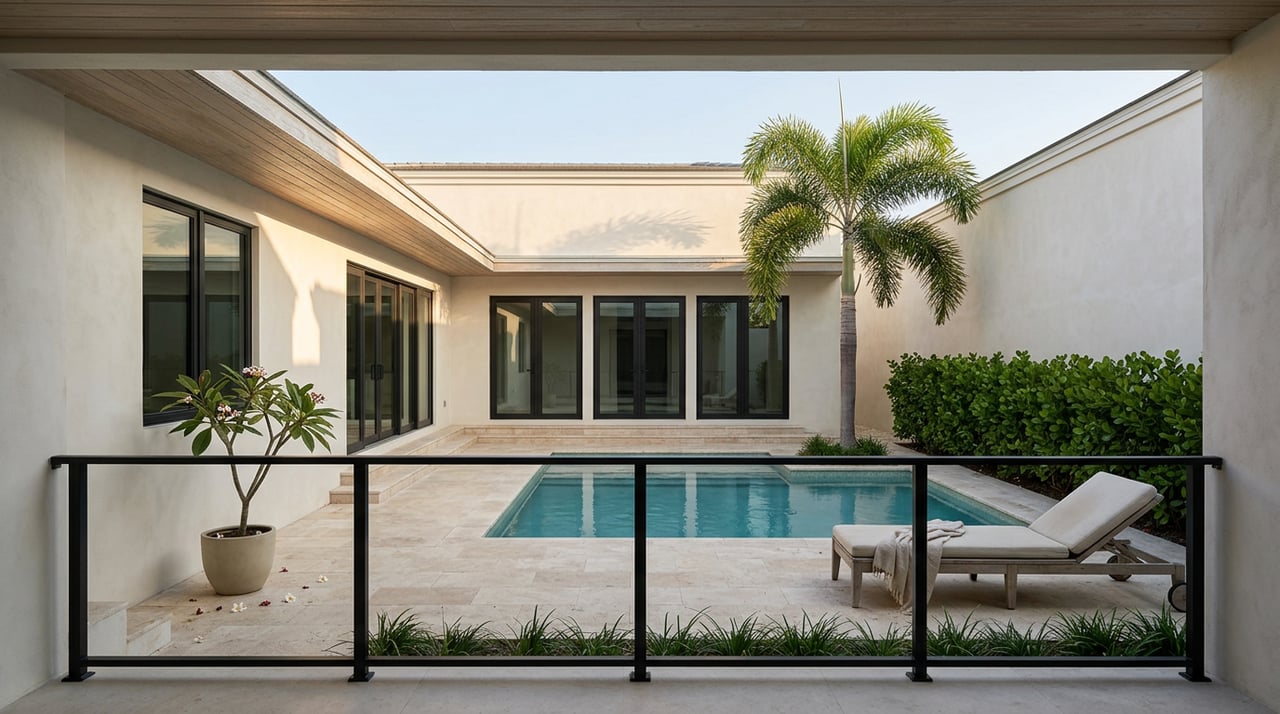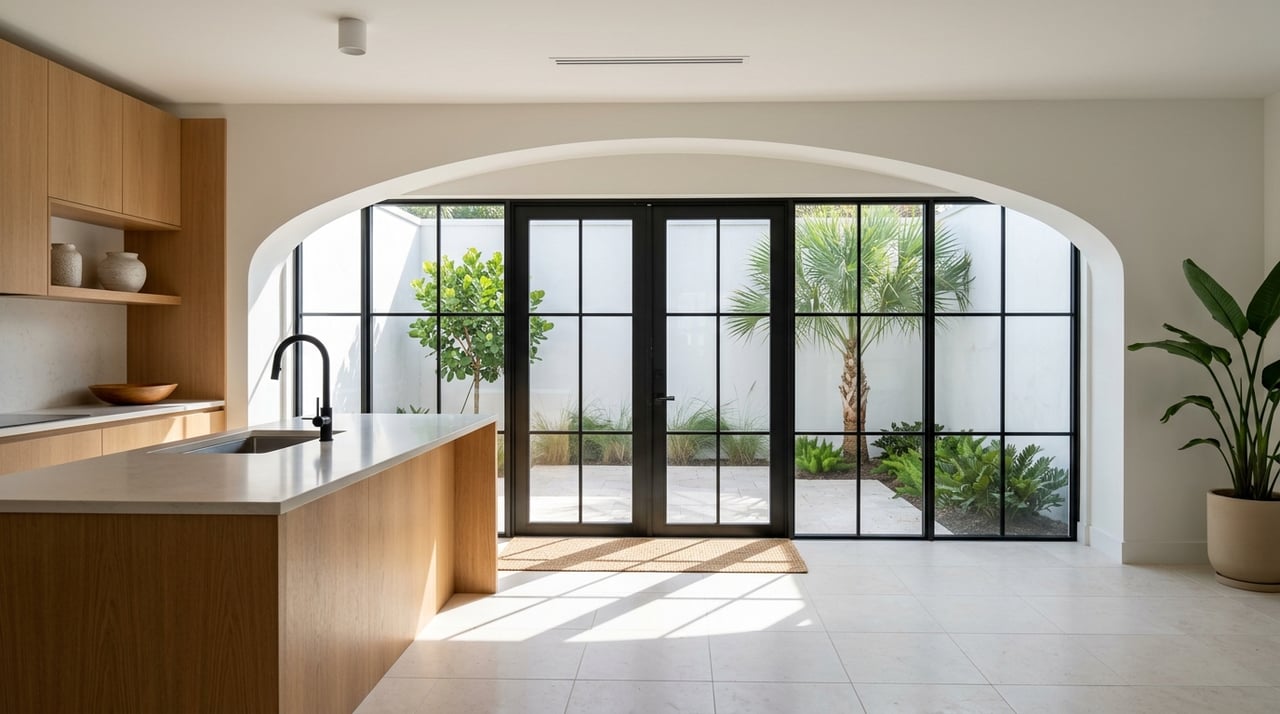
Thinking about trading snow boots for sandals and making a move to Hobe Sound? An out-of-state relocation to coastal Florida can feel exciting, but it also comes with a different set of questions than a local move. If you are considering Hobe Sound, it helps to understand not just the homes, but also the weather, flood exposure, residency rules, and everyday rhythms that shape life here. Let’s dive in.
Why Hobe Sound Feels Different
Hobe Sound is a small coastal community in southern Martin County with a mostly residential feel. According to U.S. Census QuickFacts for Hobe Sound, the community had 13,163 residents in the 2020 Census, 6,185 households, and a 77.8% owner-occupied housing rate. That points to a market where neighborhoods and day-to-day livability matter just as much as inventory.
Local planning also reflects that character. Martin County’s Hobe Sound Community Redevelopment Area emphasizes preserving the area’s small-town feel while improving Bridge Road as a more business- and pedestrian-friendly main street. If you are moving from a large metro area, that smaller-scale environment may be part of the appeal.
What Out-of-State Buyers Should Expect
Moving to Hobe Sound is often less about adjusting to price alone and more about adjusting to a new coastal lifestyle. You may be comparing Hobe Sound with nearby areas in Martin County or the Jupiter-adjacent corridor, especially since Martin County borders Palm Beach County to the south, as outlined in the county’s Comprehensive Emergency Management Plan.
That means your home search should look beyond finishes and square footage. In this part of Florida, climate, insurance considerations, lot drainage, and permit history can have a real impact on your ownership experience.
Climate in Hobe Sound
If you are relocating from a colder state, the weather shift can be one of the biggest changes. The National Weather Service South Florida climate page describes a long, humid warm season, with daytime highs often in the upper 80s, nighttime lows in the mid-70s, and frequent summer showers and thunderstorms.
In practical terms, that means you will likely think more about air conditioning, humidity control, and storm preparedness than winter heating. Outdoor routines can also look different here, especially during summer afternoons when heat and rain are common.
Hurricane Season Matters
Florida’s Atlantic hurricane season runs from June 1 through November 30, according to the National Hurricane Center. Martin County’s emergency guidance also notes that local hazards include flooding, tropical cyclones, sea level rise, severe thunderstorms, and beach erosion.
For you as a buyer, this is not a reason to avoid the market. It is a reason to buy thoughtfully. Before closing on a home, you will want a clear understanding of evacuation zones, flood exposure, and the property features that support storm readiness.
Flood Zones and Insurance Basics
One of the biggest mistakes out-of-state buyers make is assuming flood risk works the same way it does elsewhere. In Martin County, flood zone guidance explains that homes in Special Flood Hazard Areas are subject to floodplain review, and that new or substantially improved homes in those areas generally must have the lowest finished floor at least 1 foot above base flood elevation.
The same county resource also states that flood insurance is mandatory for structures in Special Flood Hazard Areas. Just as important, Martin County’s emergency guidance reminds residents that standard homeowner’s insurance does not cover flood damage.
Flood Zone vs. Evacuation Zone
These two terms are often confused, especially by buyers relocating from out of state. Martin County’s storm readiness information notes that storm-surge evacuation zones are different from flood zones and recommends that residents know their zone and evacuate early if needed.
That distinction matters when evaluating a property. A home can have one type of risk exposure without being in the same category for another, so it is worth reviewing both before you buy.
Home Features to Prioritize
When you tour homes in Hobe Sound, the prettiest kitchen should not be your only focus. In a coastal market, the systems and upgrades behind the walls can be just as important as the design.
Here are a few features worth asking about:
- Roof age and condition
- Impact-rated windows or shutters
- Permit history for major improvements
- Elevation details, especially in flood-prone areas
- Drainage on the lot
- Tree maintenance and yard upkeep
- Condition of screened enclosures, seawalls, or water-facing additions where applicable
Martin County maintains permit checklists for items like shutters and related residential improvements, including references to current Florida Building Code product-approval documentation. That is a good reminder to confirm whether improvements were properly permitted, especially if a home has had storm-related upgrades.
Lot Maintenance Is More Important Than Many Buyers Expect
Out-of-state buyers are often surprised by how much yard care ties into storm readiness. Martin County’s solid waste and recycling information notes that yard waste is collected every Wednesday and should not block storm swales or drainage areas.
The county also recommends finishing major vegetation work before hurricane season and clearing loose outdoor items that could become projectiles. In other words, landscaping is not just cosmetic here. It plays a role in drainage, safety, and ongoing maintenance.
Homestead and Residency Rules
If you are moving to Hobe Sound full-time, it is smart to understand Florida homestead rules early. The Florida Department of Revenue states that the homestead exemption applies when the property is your permanent residence, and applications are filed through the county property appraiser. The exemption can reduce taxable value by as much as $50,000.
Timing matters too. The state says the filing deadline is March 1, and that on January 1 you must have owned and occupied the property as your permanent legal residence.
Why Out-of-State Ties Can Affect Eligibility
Martin County’s Property Appraiser homestead information warns that ties to another state, such as voter registration, driver license records, vehicle registration, or tax benefits, can complicate homestead eligibility. The office also notes that if either spouse owns another Florida property, only one property can receive the homestead exemption.
If your move involves a second home, partial-year residency, or a delayed transition, this is an area where you will want clarity early in the process. It is much easier to plan ahead than to sort it out after closing.
Everyday Life in Hobe Sound
A relocation decision is never just about the house. It is also about whether daily life feels easy once the boxes are unpacked.
Martin County provides several practical services and community resources in Hobe Sound, including the Hobe Sound Public Library, a civic center, county parks and preserves, and a local branch of the property appraiser’s office. The county also provides waste and recycling services, including a recycling cart for new residents and weekly yard-waste collection.
For many buyers, that balance is part of Hobe Sound’s appeal. You get a smaller residential community with access to useful county services, while still being connected to the larger South Florida coastal corridor.
A Smart Way to Approach Your Move
If you are moving to Hobe Sound from out of state, the best approach is to treat the relocation like both a lifestyle decision and a property decision. You are not just choosing a floor plan. You are choosing how you want to live in a coastal environment that comes with its own systems, standards, and seasonal patterns.
A strong buying strategy usually includes:
- Defining whether this will be your primary home, second home, or investment property
- Reviewing flood zones and storm-related risk early
- Asking detailed questions about roof age, impact protection, and permits
- Understanding residency and homestead timing if you plan to move full-time
- Looking at the surrounding area and daily conveniences, not just the home itself
Hobe Sound can be a great fit if you want a coastal community with a residential feel and access to the broader Martin and northern Palm Beach County lifestyle. The key is buying with clear eyes and local guidance.
If you are planning a move and want help finding a home that fits your lifestyle, priorities, and long-term plans, connect with Tyler Cameron. Whether you are looking for a move-in-ready coastal property, a second home, or an investment opportunity in the area, Tyler can help you navigate the process with practical insight and a sharp eye for what matters.
FAQs
What should you know about flood zones before moving to Hobe Sound?
- You should review whether a property is in a Special Flood Hazard Area, understand that flood insurance may be mandatory in those areas, and remember that standard homeowner’s insurance does not cover flood damage.
What is the weather like year-round in Hobe Sound, Florida?
- Hobe Sound has a long, humid warm season with upper-80s daytime highs, mid-70s nighttime lows, and frequent summer showers and thunderstorms.
What home features matter most when buying in Hobe Sound from out of state?
- You should pay close attention to roof age, impact protection, permit history, elevation, drainage, and the condition of exterior features like screened enclosures or water-facing improvements.
What do new Florida residents need to know about homestead exemption in Martin County?
- If the home is your permanent legal residence, you may qualify for a homestead exemption, but you must meet residency requirements and file by March 1 through the county property appraiser.
What everyday services and amenities are available in Hobe Sound?
- Hobe Sound offers county services and community resources such as a public library branch, civic center, parks and preserves, property appraiser services, recycling, and weekly yard-waste collection.