Wondering whether a condo or single-family home makes more sense in North Palm Beach? In a village shaped by water, boating, and seasonal living, that choice is less about labels and more about how you want to live day to day. If you are weighing convenience, privacy, dock access, or part-time rental potential, this guide will help you compare the tradeoffs clearly. Let’s dive in.
Why this choice matters in North Palm Beach
North Palm Beach has a distinctly coastal lifestyle. The Village describes the area as water-oriented, with parks, docks, boating, golf, and local waterways that play a major role in everyday life.
That local setting changes the condo-versus-house conversation. Here, your decision often comes down to your use case: a seasonal escape, a full-time home, a waterfront property, or a place you may use part time and rent when you are away.
A recent Redfin snapshot showed a median sale price of $435,000 for all home types in March 2026. It also showed 178 condos for sale at a median listing price of $399,000, which tells you condos are a meaningful part of the local inventory.
Condo living: convenience and shared upkeep
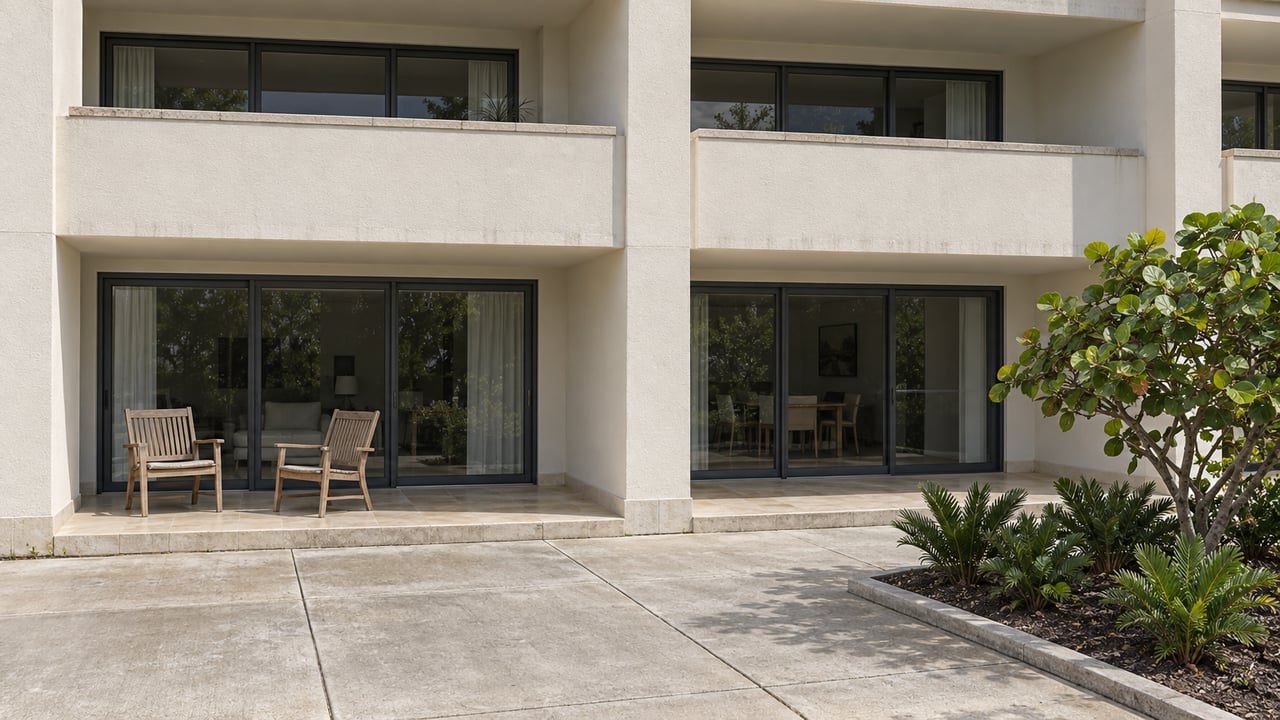
If you want a more lock-and-leave lifestyle, a condo may be the cleaner fit. Condo ownership usually means you own your unit while sharing ownership of the building exterior and common areas with other owners.
That setup can reduce the number of exterior tasks you handle yourself. In general, association fees often cover maintenance and repair of common areas and building exterior items, which can be appealing if you plan to use the property seasonally or simply want fewer day-to-day responsibilities.
The tradeoff is cost. Condo and HOA dues are usually paid separately from your mortgage, and those dues can range from a few hundred dollars per month to more than $1,000 per month.
In North Palm Beach, that means you should look at the full carrying cost, not just the purchase price. A condo with a lower price tag can still feel more expensive month to month if fees are high.
What to review before buying a condo
Before you move forward, ask for and review the condo documents carefully. Florida condo disclosure rules require a detailed budget, along with information about management and use restrictions.
Pay close attention to:
- What the monthly fee covers
- Whether reserves are funded
- Any leasing restrictions
- Approval requirements for buyers or tenants
- Rules affecting pets, parking, storage, or outdoor use
For many buyers, the best condo is not simply the cheapest one. It is the one with a fee structure, rules, and building condition that match how you plan to use it.
Single-family homes: privacy and more control
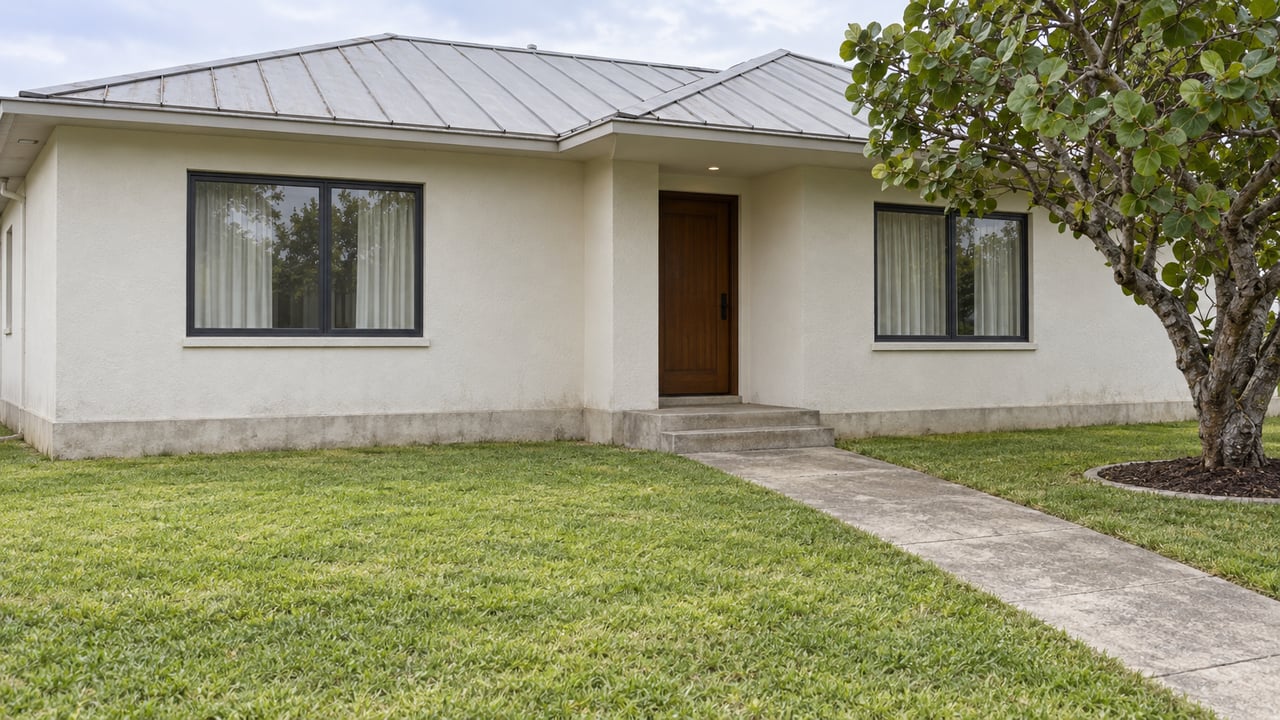
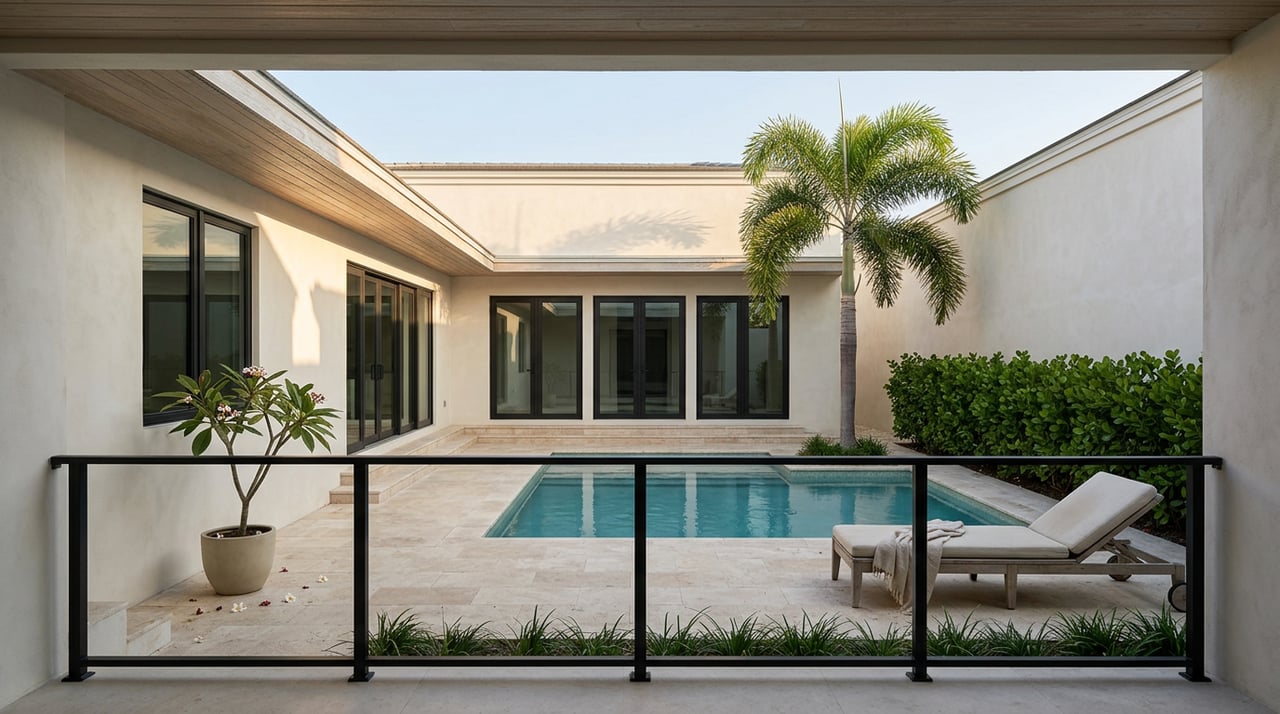
If you want more space and flexibility, a single-family home often gives you more room to shape the property around your lifestyle. That may mean a private yard, a pool, more storage, or space to entertain without sharing walls or common amenities.
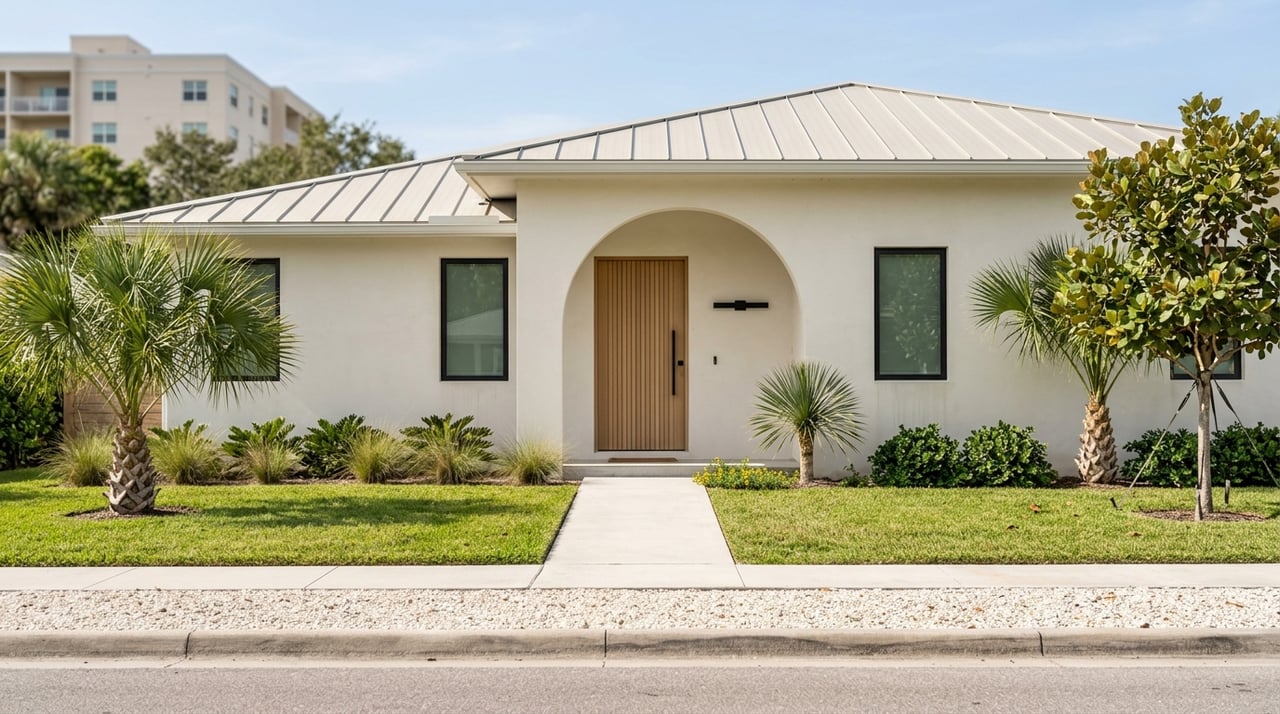
In North Palm Beach, single-family dwellings and customary accessory buildings are permitted in the R-1 single-family district. That gives buyers a more direct path to private outdoor living, though any changes still need to follow local zoning, permitting, and code requirements.
More freedom also means more responsibility. Village code compliance applies to all properties, and the Village specifically flags maintenance of structures, landscaping, pools, boats, and other exterior improvements.
Improvements like fences, patios, and driveways may also require permits. So while a house can offer more control, it usually asks more of you in return.
When a single-family home makes sense
A house may be the better fit if you want:
- More private outdoor space
- Greater control over the property
- Flexibility for entertaining or pets
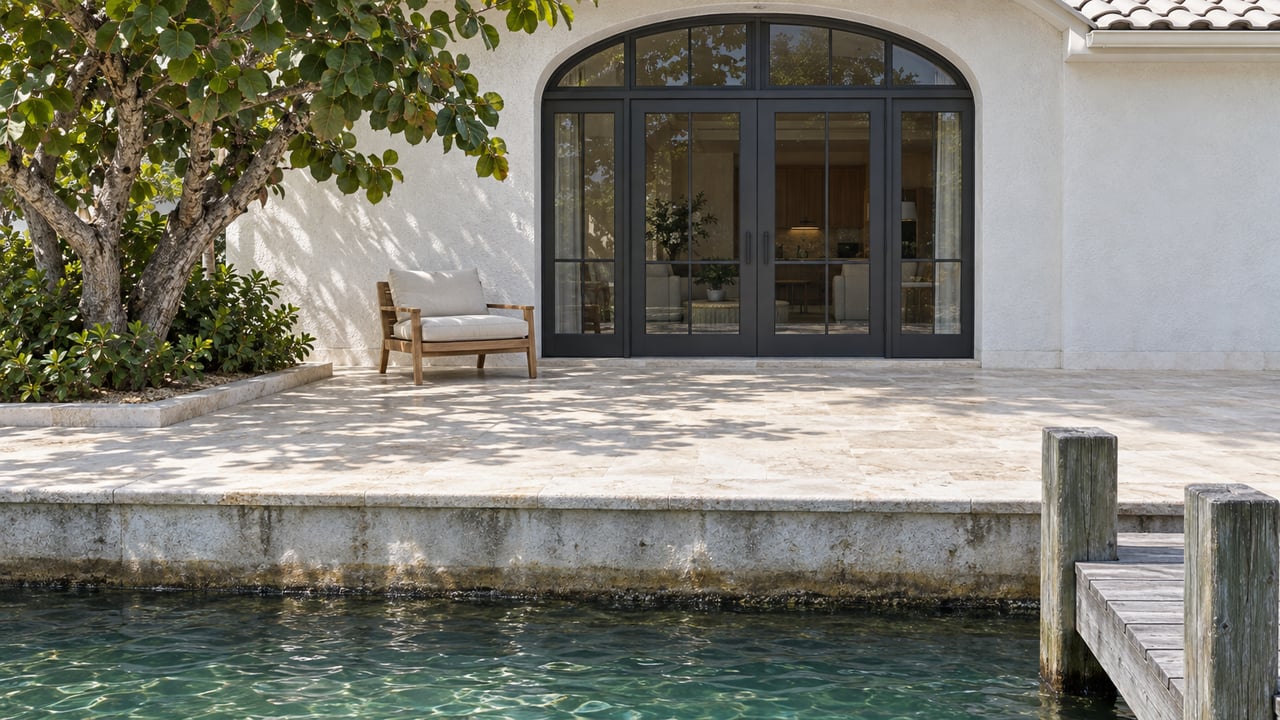
- Better potential for a private dock on a waterfront lot
- Fewer shared rules tied to common areas
If your goal is a home that feels more personal and less structured, a single-family property often wins that comparison.
Outdoor space and privacy in real life
For many buyers, this decision is really about privacy. A condo may offer a balcony, terrace, or access to shared green space, but those areas are often governed by association rules and condominium documents.
Florida law distinguishes between common elements and limited common elements. In simple terms, that means some outdoor areas may be shared by all owners, while others may be reserved for specific units, with maintenance responsibilities assigned by the condo declaration.
A single-family home is usually more straightforward. You generally have private outdoor space tied directly to your lot, subject to local rules and maintenance standards.
If you picture morning coffee on a quiet patio, room for a pool, or a yard designed around how you live, that may push you toward a house. If you are happy with a balcony and shared amenities in exchange for less upkeep, a condo may feel easier.
Waterfront use and dock potential
In North Palm Beach, boating is not a niche hobby. It is part of how many people experience the area, thanks to the community’s location near the Intracoastal Waterway, the Atlantic Ocean, and Lake Worth.
If waterfront access is high on your list, you need to look beyond the view. The real question is what kind of water use the property actually supports.
The Village’s dock and seawall ordinance says docks, piers, mooring buoys, anchors, boat davits, and other boat-lifting devices are to be owned and constructed only by the adjacent upland landowner. The Village also requires permits for docks and related waterside structures.
That makes dock potential easier to evaluate on waterfront single-family lots. In many cases, the lot itself can support a permitted private dock or lift where allowed, assuming it meets Village requirements.
Condos are different. Dock rights, slips, or marina access are often building-specific and may be deeded, leased, limited, or unavailable altogether.
Questions to ask about waterfront property
Whether you are looking at a condo or a house, confirm:
- Whether dock or slip access exists
- Whether the access is deeded, leased, or assigned
- What permits or approvals apply
- Whether there are size or use limits for boats
- Who maintains the seawall, dock, or marina components
In North Palm Beach, waterfront value is not just about being near the water. It is about what you are actually allowed to do with it.
Flood zones and insurance deserve early attention
This is one of the most important issues for both property types. The Village building division advises property owners to verify flood zones, and elevation certificates may be required for building permits in Special Flood Hazard Areas.
That matters whether you are buying a condo or a single-family home, especially near the water. Flood exposure can affect your insurance costs, renovation plans, and long-term ownership budget.
If a property is on your shortlist, check flood zone status early. That simple step can save you time and help you compare options more realistically.
Renting part time? Read the local rules first
If you plan to use the property as a second home and rent it part time, North Palm Beach has specific rules you need to understand. The Village allows short-term vacation rentals in residential zones, but the property must meet the minimum stay requirement, register with the Village, renew annually, and pass inspection.
The registration also requires a responsible party with 24-hour contact information. The Village states that a vacation rental cannot operate without Village approval.
For condos, there is a second layer of review. Florida condo law requires disclosure of restrictions on leasing, transfers, and related approvals.
That means a condo that looks perfect on paper may not fit your rental plan in practice. You need to confirm both the Village rules and the building’s governing documents before making an offer.
Rental questions to ask before you buy
If rental flexibility matters, review:
- The Village registration and inspection requirements
- Minimum stay rules
- Annual renewal requirements
- Condo or HOA lease restrictions
- Approval processes for tenants or leases
- Any rental caps or waiting periods
This is especially important for seasonal owners and investors who want a property that can serve both personal use and income goals.
Condo-specific issue: milestone inspections
If you are considering a condo in an older building, building condition deserves extra attention. Under Florida law, condominium or cooperative buildings that are three habitable stories or more must complete milestone inspections by the 30-year mark and every 10 years after that.
Local enforcement agencies can require an earlier timeline near salt water. North Palm Beach’s condo and high-rise guidance mirrors that framework and directs reports to the Village Building Official.
For buyers, the takeaway is simple. If the building is older and taller, ask about milestone inspection status, reserve planning, and any recent or pending structural reports.
A simple way to decide
If you are stuck between the two, start with how you plan to use the property.
Choose a condo if you want lower-maintenance ownership, shared amenities, and a home that is easier to leave for weeks or months at a time. It can be a strong fit for seasonal living and buyers who value simplicity.
Choose a single-family home if you want more privacy, more outdoor space, more flexibility to personalize the property, and a better shot at true private dock potential on a waterfront lot. It often fits buyers who want the home to feel more customized to daily life.
In North Palm Beach, the smartest choice is usually the one that fits your routine, not the one that sounds better on paper. When you line up maintenance, fees, flood exposure, rental rules, and waterfront use, the right answer often becomes much clearer.
If you want help sorting through North Palm Beach condos, single-family homes, or waterfront opportunities, Tyler Cameron can help you compare the options with a clear local lens and a practical strategy.
FAQs
What is the main difference between a condo and single-family home in North Palm Beach?
- A condo usually offers lower exterior maintenance and shared amenities, while a single-family home usually offers more privacy, outdoor space, and control over the property.
Are condo fees included in a North Palm Beach mortgage payment?
- Condo and HOA dues are usually paid separately from the mortgage, so you should include them in your full monthly ownership budget.
Can you have a private dock at a North Palm Beach condo?
- Possibly, but dock access at a condo is usually building-specific and may be deeded, leased, limited, or unavailable, so you need to verify the exact rights tied to the unit.
Do North Palm Beach single-family homes allow more outdoor flexibility?
- In many cases, yes, because a single-family home usually comes with more private outdoor space, though changes still need to follow Village zoning, permitting, and code rules.
Can you use a North Palm Beach property as a vacation rental?
- Yes, but the property must meet Village requirements for registration, renewal, inspection, minimum stay rules, and local approval before operating as a vacation rental.
What should condo buyers check in older North Palm Beach buildings?
- Buyers should review milestone inspection status, reserve planning, and any recent or pending structural reports if the condominium building is three habitable stories or more.
Why do flood zones matter when buying in North Palm Beach?
- Flood zones can affect insurance costs, permitting, and long-term ownership planning, and the Village advises buyers and owners to verify flood zone status early.