Are short-term rentals in Stuart a smart play, or more work than they look on paper? If you are eyeing this coastal market for seasonal income, the answer is not a simple yes or no. Stuart can be a strong fit if your strategy matches the area’s leisure-driven demand, older housing stock, and compliance requirements. Let’s dive in.
Stuart’s short-term rental story
Stuart is best understood as a coastal leisure market rather than a high-volume, year-round urban short-term rental market. It sits within Florida’s broader tourism momentum, and the state recorded 142.9 million visitors in 2024. That creates a helpful backdrop for investors looking at vacation-focused assets in coastal Florida.
At the local level, Stuart is relatively small. The city’s estimated population was 19,566 as of July 1, 2024, while Martin County reached 165,666, according to the same state tourism release. That smaller scale matters because it suggests a more niche demand profile, one that is likely tied to seasonality, recreation, and destination appeal rather than constant business travel.
Who visits Stuart
If you want to understand short-term rental potential, start with the guest profile. Martin County’s tourism promotion highlights beaches, boating, paddling, fishing, golf, eco-tourism, arts, nightlife, family attractions, and more than 22 miles of beaches. That points to a market shaped by experience-driven travel.
In practical terms, your likely guest is not flying in for a convention and booking two nights midweek. You are more likely to attract leisure travelers, boaters, anglers, nature-oriented visitors, and families looking for a coastal stay. That can be a good match for well-located condos, updated cottages, and smaller homes that feel turnkey and easy to enjoy.
There is also evidence that water-oriented visitors can be valuable. A Martin County waterways economic impact study found that out-of-state visitors reported much higher annual spending than Florida resident visitors, at $1,801 versus $211. While that is not a direct rental pricing study, it supports the idea that Stuart’s waterfront and coastal appeal can attract higher-spending visitors.
Seasonality is part of the model
One of the biggest questions in Stuart is not whether short-term rentals can work. It is when they work best. Based on Martin County’s tourism profile and the state’s vacation rental licensing framework, Stuart appears better suited to a seasonal or shoulder-season strategy than a flat, year-round booking assumption.
That means winter demand, holiday periods, and spring travel may deserve very different pricing and occupancy expectations than summer. If your deal only works with steady monthly performance all year, you may be forcing an urban revenue model onto a leisure market. A better approach is to underwrite peak and off-peak periods separately.
Property type matters in Stuart
Not every property will perform the same way in this market. Discover Martin shows an accommodation mix that includes condos and rentals, bed-and-breakfasts, hotels, resorts, and campgrounds. That suggests guests are open to a range of lodging options, which can create opportunity for smaller, well-positioned homes and condos.
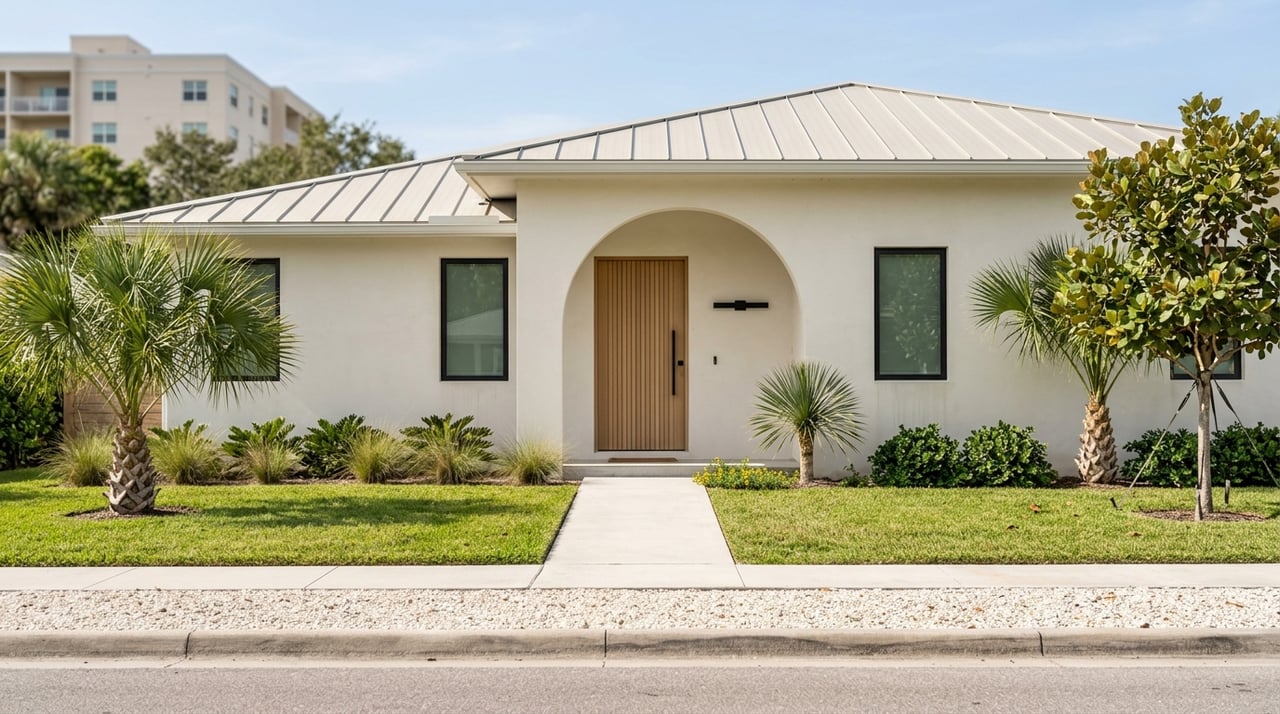
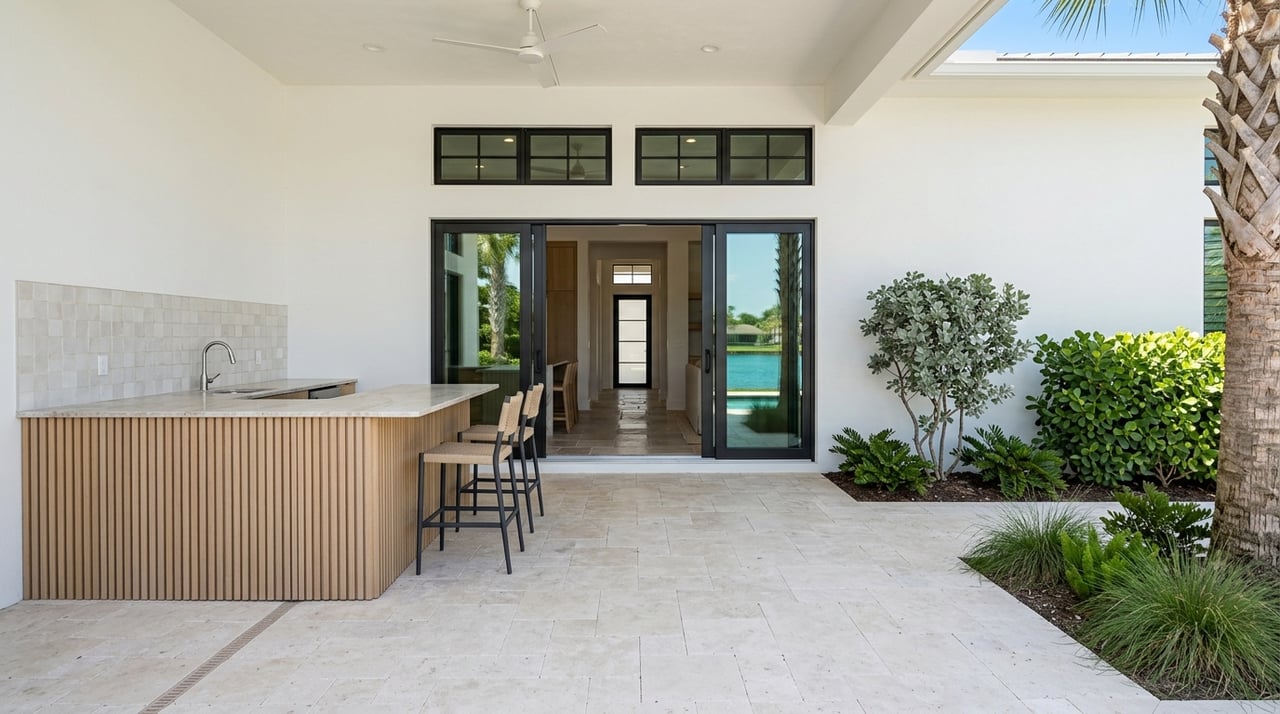
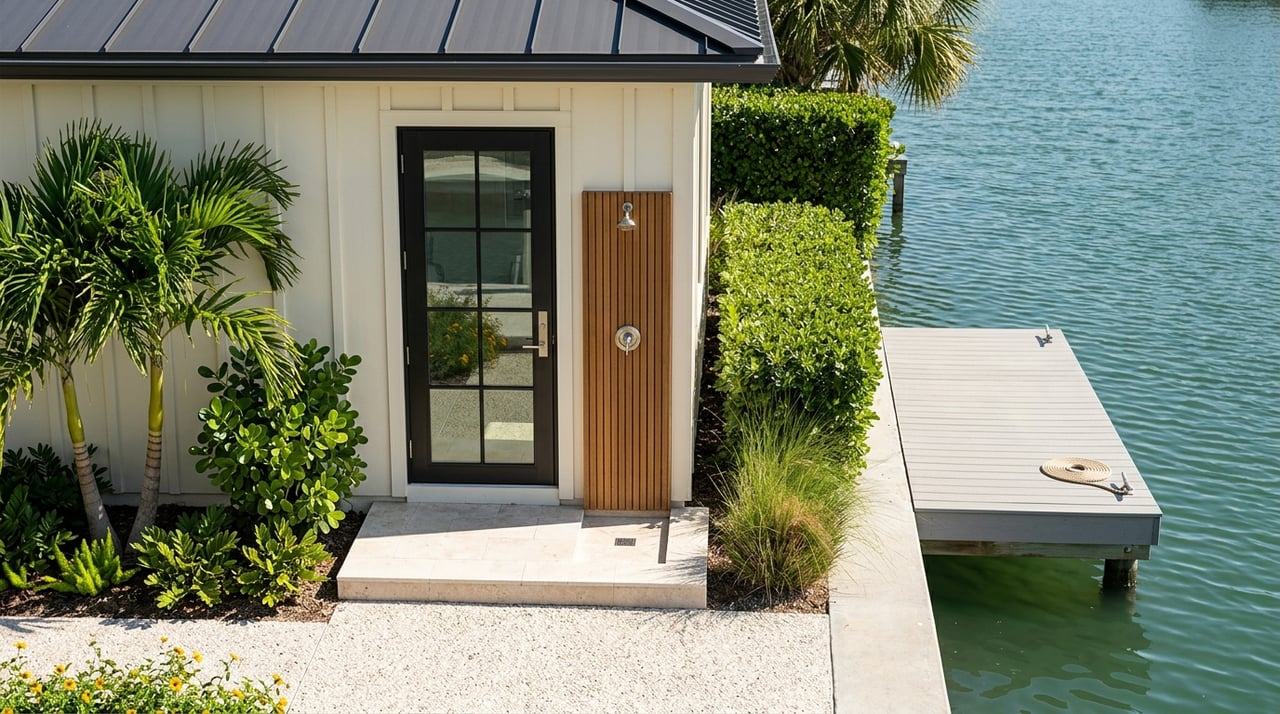
In Stuart, location and usability may matter more than sheer size. A property that offers convenient beach access, room for boating gear, walkability to local attractions, or appealing outdoor space may compete better than a larger but less practical home. For a leisure-oriented guest, the stay experience often starts with how easy the property feels to enjoy.
Older housing stock can change your numbers
This is where many investors need to look deeper. According to the city housing report, 78% of Stuart’s housing stock was built before 1989, and the report notes that many homes need rehabilitation and hardening to meet updated storm codes. That should get your attention before you assume a light cosmetic renovation will be enough.
For a short-term rental, guests notice design, but your budget may be shaped more by systems and resilience. Roof condition, windows, doors, HVAC, electrical updates, and broader storm-readiness can matter just as much as finishes and furniture. In Stuart, older-stock capital expenditures can be central to the pro forma, not a side note.
Regulation is not optional
If you are considering a Stuart short-term rental, compliance needs to be part of your plan from day one. Florida treats vacation rentals as transient public lodging establishments, and the state licenses vacation rentals through the DBPR for condominium and dwelling product types under Florida Statute 509.242. The DBPR application packet also includes a seasonal operating option.
Local requirements add another layer. The City of Stuart Business Tax Division states that businesses inside city limits must obtain a Business Tax Receipt, and the city also says businesses in the city must obtain a Martin County Business Tax Receipt. In unincorporated Martin County, businesses need zoning approval before receiving a BTR, and county fire-rescue guidance notes that new businesses must complete a fire inspection as part of the BTR process.
That does not mean Stuart is off-limits. It means your operating model needs to be organized, documented, and built for compliance.
Taxes can affect your underwriting
Taxes are another place where a promising deal can look different after the math is complete. Florida Revenue lists a 6% state sales tax on transient rentals, Martin County lists a 5% tourist development tax, and the county’s discretionary surtax is 0.5%. Combined, that points to an approximate 11.5% tax burden on short-term rentals before platform-specific collection differences.
Florida Revenue also states that local transient rental taxes apply to accommodations rented for six months or less. If you are comparing short-term rental income against a longer seasonal or annual lease strategy, those tax implications should be part of your side-by-side analysis.
Watch the policy climate
Good underwriting looks at current rules and future risk. The City of Stuart’s 2021 legislative priorities expressed support for greater local regulatory power over short-term rentals and more commercial-style accountability for vacation rentals. That is not the same as an ordinance, but it is a useful signal.
For you, that means it is wise to build in some cushion. If a property only works with aggressive assumptions and very little room for regulatory change, it may not be the right fit. Markets like Stuart often reward a disciplined, flexible strategy more than an overly optimistic one.
When Stuart is a good fit
Stuart may be a strong match for your short-term rental plan if you are targeting a seasonal, leisure-oriented guest and you are comfortable with a more hands-on setup. It can also make sense if you value coastal demand drivers like boating, beaches, and outdoor recreation more than nonstop booking volume.
You may be especially well-positioned if you can:
- Buy in a location with strong leisure appeal
- Renovate older housing stock thoughtfully
- Price for seasonal demand shifts
- Run the property with close attention to licensing, inspections, and taxes
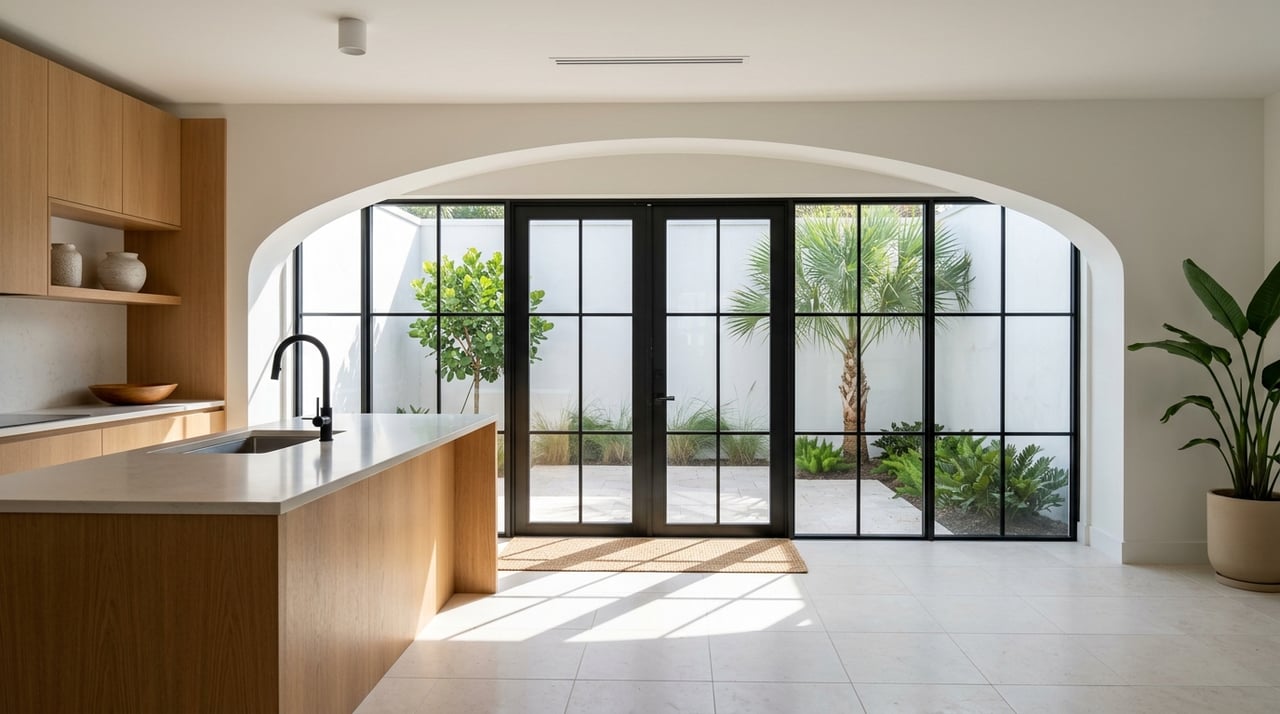
- Create a polished, guest-ready experience that stands out in a mixed lodging market
This is the kind of market where quality and execution can matter a lot. A well-prepared property may outperform a generic one, especially when travelers are choosing based on comfort, location, and ease.
When Stuart may not fit
Stuart may be a weaker fit if you want a simple, passive, high-volume short-term rental. It can also be challenging if your model depends on low renovation costs, minimal compliance work, or steady year-round occupancy that ignores seasonality.
In other words, Stuart is probably not the easiest market for a plug-and-play strategy. If you need a market where the story is purely about scale and constant turnover, this may not be it. But if you want a more curated coastal product and are prepared to operate it well, Stuart becomes much more compelling.
Key diligence questions to ask
Before you move forward, focus on the basics that can make or break the investment:
- Is the property inside the City of Stuart or in unincorporated Martin County? The permitting path is different.
- Is the use allowed by zoning and any local registration rules? Verify this before you buy.
- How much storm-hardening or rehab will the home need? Older stock can carry meaningful capital needs.
- Does the income plan rely too heavily on one season? Test winter, shoulder season, and slower periods separately.
- Do you need local operational support? A compliance-focused manager or co-host may help if you are not nearby.
These are not small details. In a market like Stuart, they are often the difference between a property that feels turnkey and one that becomes operationally heavy.
Final take on Stuart STR potential
So, is Stuart a good fit for your short-term rental strategy? In many cases, yes, but only if your plan matches the market’s actual character. Stuart looks better for a coastal, seasonal, experience-driven rental strategy than for a simple year-round volume play.
If you are looking for a well-located property, understand the compliance path, and are prepared for renovation and operations to matter as much as marketing, Stuart can offer real opportunity. If you want help evaluating a coastal property through both an investor and product lens, connect with Tyler Cameron to talk through your options.
FAQs
Is Stuart, Florida a good market for short-term rentals?
- Stuart can be a good fit for a seasonal or leisure-focused short-term rental strategy, especially if your property appeals to travelers interested in beaches, boating, fishing, and outdoor activities.
What types of guests usually book short-term rentals in Stuart?
- Based on Martin County tourism marketing, Stuart is likely to attract leisure travelers, families, anglers, boaters, and nature-oriented visitors more than convention or business-heavy travel.
What licenses or registrations do you need for a Stuart short-term rental?
- Florida licenses vacation rentals through the DBPR, and local business tax receipt requirements depend on whether the property is inside the City of Stuart or in unincorporated Martin County.
What taxes apply to short-term rentals in Stuart, Florida?
- The research provided indicates a 6% Florida state sales tax, a 5% Martin County tourist development tax, and a 0.5% discretionary surtax, for an approximate combined tax burden of 11.5%.
Are older homes in Stuart harder to use as short-term rentals?
- They can be, because much of Stuart’s housing stock was built before 1989, which may increase the need for rehabilitation, storm-hardening, and systems upgrades before operation.