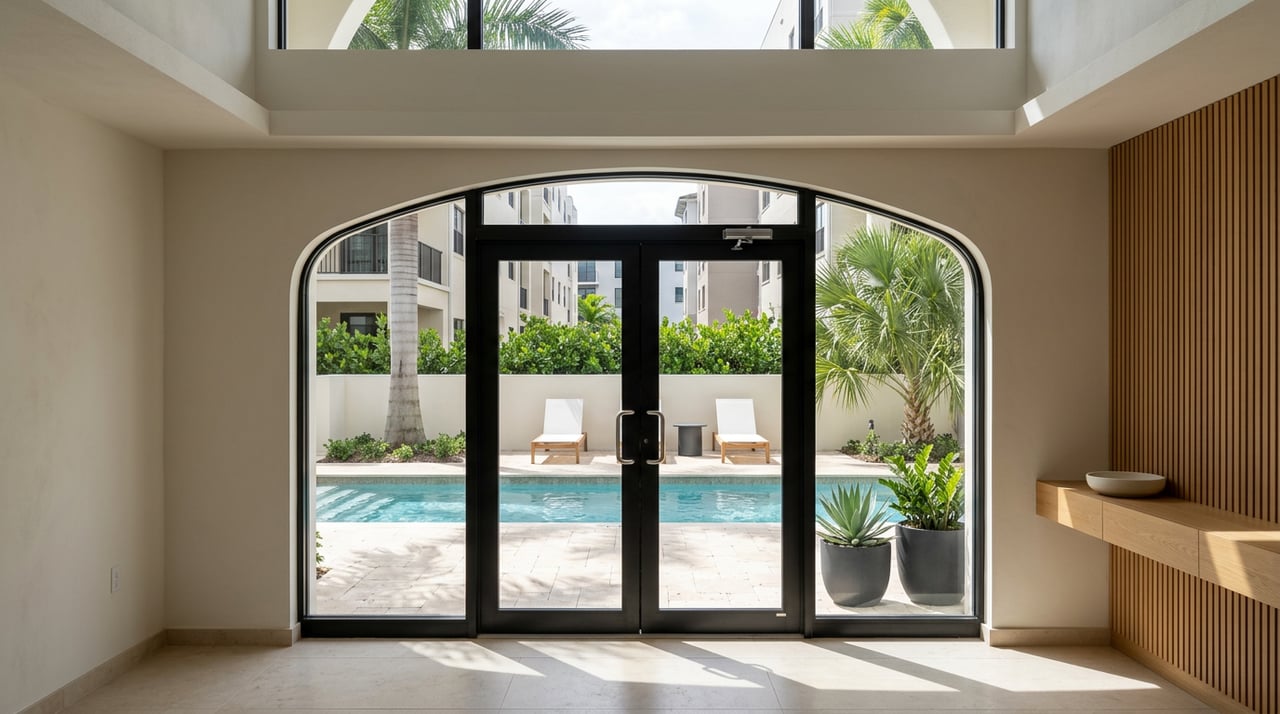
Dreaming of a West Palm Beach condo with water views, walkable dining, and zero yard work? You are not alone. The condo market here offers a lot of choice right now, but smart buyers also look beneath the surface fees and lifestyle perks. In this guide, you will learn how to read listings, what documents to request, the financing checks to run, and how new Florida rules affect costs and resale. Let’s dive in.
West Palm Beach condo market snapshot
Palm Beach County has seen rising condo inventory and longer months supply compared with single family homes, which often gives you more leverage as a buyer. You can review the latest county trends in the MIAMI REALTORS monthly updates for context on pricing and supply in Palm Beach County. Also know that post Surfside reforms have reshaped condo ownership across Florida. New laws require milestone structural inspections and better funded reserves, which is a key reason some older buildings are raising fees or issuing assessments. You can read a summary of the reforms here: Florida’s SB 4 D condo safety legislation.
Local reporting also shows real assessment pressure and building level decisions that affect owners. For example, a developer made a large buyout offer for a West Palm condo building, highlighting how repair and insurance costs influence outcomes for associations and unit owners. See the coverage of a West Palm Beach condo buyout offer.
Read West Palm Beach condo listings like a pro
When you scan MLS or public listings, slow down on these fields and ask follow ups where needed:
- Association or condo fee. Note the fee amount and what it includes. Common inclusions are water, cable, building insurance, exterior maintenance, elevator service, security, and parking. If you see “insurance bldg,” request the master policy declarations to confirm coverage and deductibles.
- Fee frequency. Confirm whether fees are monthly or quarterly and whether utilities or services are bundled. Higher fees often reflect amenities like pool, fitness, concierge, or full service management.
- Year built. The building’s age matters. For buildings with 3 or more stories, Florida law sets deadlines for milestone inspections based on age and location. Learn the framework in the milestone inspection statute.
- Parking. Ask whether your space is deeded or simply assigned by the board. Parking and storage often count as limited common elements and may follow specific cost allocation rules under Florida’s condo statute.
- Lease or rental rules. Confirm short term rental limits and minimum lease terms. Rules live in the association’s documents and must be verified in writing. See disclosure expectations in Florida Statute 718.504.
- Special assessments. If the listing or seller mentions an assessment or a due on sale clause, pause and request all documentation. Large assessments can affect financing and your monthly budget. Local articles show this is common in South Florida.
Must review documents before you commit
Once you shortlist a building, ask your agent to collect the association’s resale package and official records. At minimum, review these items closely:
- Budget and financials for the last 2 to 3 years. Look for insurance spikes, transfers from operating to reserves, and whether reserves are funded meaningfully. Florida sets official record and reporting standards for associations.
- Structural Integrity Reserve Study (SIRS) and any engineer’s report. SIRS list major components, remaining useful life, and recommended funding. If near term projects are large and reserves are thin, that is a red flag. The milestone and SIRS framework is in 553.899.
- Milestone inspection report. If the building has reached the inspection age, request the inspector’s summary and any phase 2 report. Ask for the board’s repair scope, timeline, and funding plan.
- Board meeting minutes for the last 12 months. Scan for repair discussions, insurance renewals, collections, contractor disputes, or litigation.
- Master insurance declarations and certificates. Confirm coverage type, wind or hurricane deductibles, and whether flood is included. Associations follow rules for insurance and appraisals under Statute 718.111.
- Estoppel certificate. This statement shows amounts due, assessments, and encumbrances and is required by lenders and title companies. It can reveal unpaid assessments that might survive closing.
- Litigation summary. The prospectus or FAQ must disclose large suits above certain thresholds. See disclosure standards in Statute 718.504.
- Management and maintenance contracts with invoices for recent major work. Look for conflicts and warranty terms.
- Owner occupancy and delinquency reports. Low owner occupancy or high delinquency can limit financing options. Ask your lender to review early.
Financing and lender checks
Do not assume the mortgage is the easy part. Lenders review the project’s eligibility and may require FHA or VA approval or a conventional limited review. Start by having your lender check the building using the HUD FHA condo lookup. If a project is not approved, your lender can discuss spot approvals or alternate loan products. Eligibility can also affect resale since some buyer pools depend on FHA or VA options.
Flood and insurance checks
Flood zoning is a first order cost in Palm Beach County. Many parcels saw map changes in late 2024, which can affect required coverage and premiums. Before you offer, confirm the specific address on the county’s update page and request any existing elevation certificate. Here is the county’s summary on flood zone updates.
Insurance is another driver of monthly costs. Ask for the master policy declarations to confirm coverage limits, hurricane deductibles, and whether flood is separate. Then get an HO 6 quote tailored to the building’s policy and your lender’s requirements. Associations follow insurance requirements outlined in Statute 718.111.
Ask for the milestone report
Milestone inspections apply to most buildings with 3 or more habitable stories at set ages by Certificate of Occupancy date. If the building is at or near the threshold, request the inspector’s summary and any phase 2 report. If remediation is recommended, get cost estimates and the board’s funding plan. Learn the timing and standards in the milestone inspection statute.
Estoppel certificate basics
Your estoppel letter is the association’s official accounting for the unit. It should show amounts due, special assessments, approval requirements, and any other fees owed at closing. Lenders and title agents will require this and it has a limited validity period, so order it within your contingency timeline. If anything is unclear, request a written clarification from the manager or association counsel.
Condo vs townhouse vs single family
- Condo. Lower exterior maintenance and shared amenities. Usually higher monthly fees and more rules. Financing and resale can be affected by building reserves, inspections, and FHA status.
- Townhouse. Often more exterior responsibility than a condo and usually lower monthly fees. Financing is typically simpler than large condo projects.
- Single family. More control and privacy with higher maintenance responsibility. In Palm Beach County, single family trends can differ from condos, so compare local months supply and demand before you decide.
Your step by step shortlist
Use this sequence to protect your time and budget:
- Get lender pre approval and give your lender the exact project name and address. Ask them to run condo eligibility early using the HUD lookup.
- Screen listings: record HOA fee and inclusions, year built, size, parking type, and any assessment or due on sale notes. Request clarifications in writing.
- Request the full resale package: budget and financials, SIRS and milestone reports, minutes, management contract, insurance declarations, litigation list, rental rules, and approval requirements.
- If near the age threshold or 3 stories or more, obtain the milestone summary and SIRS. No report where one is required is a material issue. Review the statutory framework.
- Schedule a unit inspection. If older or if reports show concerns, consult a structural engineer before you waive contingencies.
- Confirm insurance: get an HO 6 quote after reviewing the master policy. Plan for wind deductibles and potential flood requirements under 718.111.
- Address assessments in your offer. Many sellers agree to pay or escrow assessments at closing. Local reporting shows due on sale clauses are a frequent negotiation point. See context in this Palm Beach condo assessment article.
- Order the estoppel certificate within your contingency window. Verify no hidden arrears or fees and confirm board approval steps.
- Before closing, confirm lender acceptance of all condo docs and that association disclosures and approvals are complete. Keep SIRS, milestone, and insurance docs in your closing file.
- Post closing, register with management, secure keys and fobs, and confirm parking and storage assignments in writing.
Ready to buy with confidence?
You deserve a condo that fits your lifestyle and your risk comfort. With builder level insight and a media first approach, we help you vet buildings, read SIRS and milestone findings, plan insurance and HO 6 coverage, and align the condo’s story with your goals. Whether you want a turnkey coastal home or an investment with professional management, schedule time with Tyler Cameron to map your next move.
FAQs
What is a milestone inspection for West Palm Beach condos?
- A milestone is a state required structural review for many buildings with 3 or more stories at set ages; ask for the inspector’s summary and any phase 2 report, and review the funding plan if repairs are needed.
How do special assessments affect your condo purchase budget?
- Assessments raise monthly or one time costs and can impact loan approval; always obtain documentation and negotiate who pays at closing if a due on sale clause applies.
How do you check if a West Palm Beach condo is FHA approved?
- Have your lender search the project in the HUD database and discuss options like spot approvals or alternate loan products if the project is not listed.
What flood steps should you take before buying a West Palm Beach condo?
- Look up the address on the Palm Beach County flood update page, review any elevation certificate, and get quotes for flood and HO 6 coverage based on the building’s master policy.
What does an estoppel certificate include in a Florida condo purchase?
- It states amounts due, special assessments, and fees tied to the unit; lenders and title companies require it and it is only valid for a set period, so order it within your contingency window.