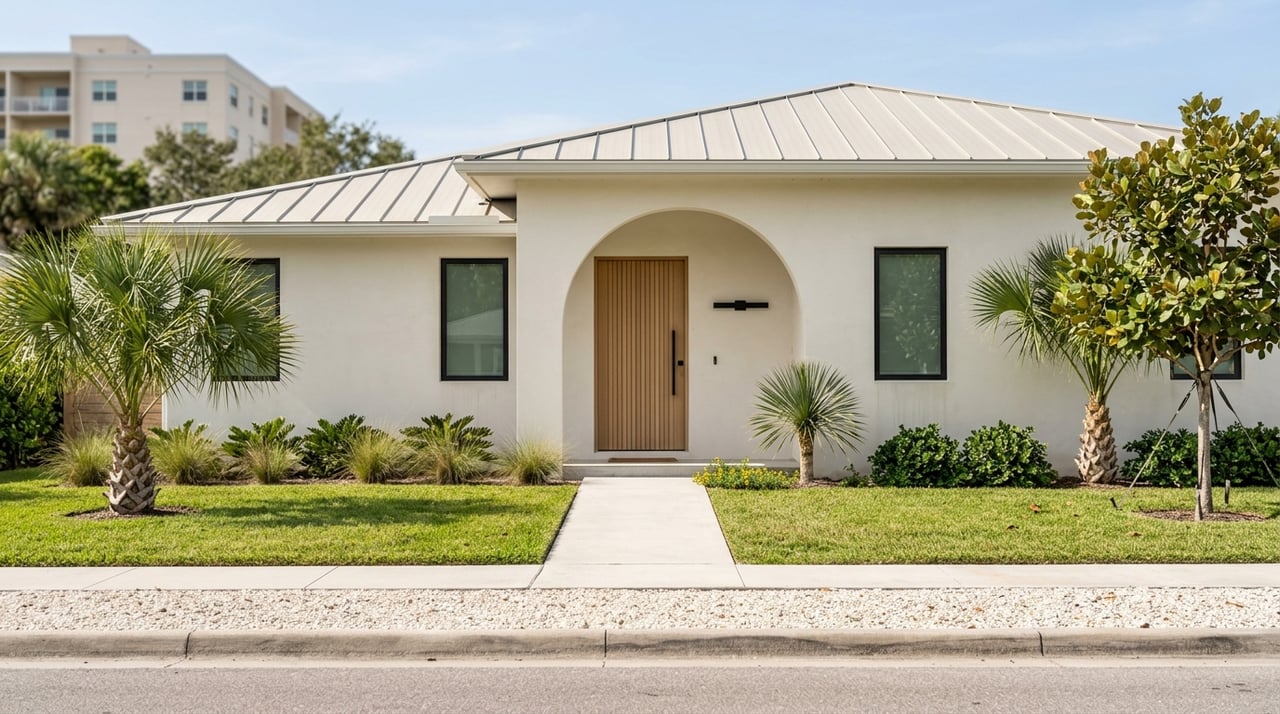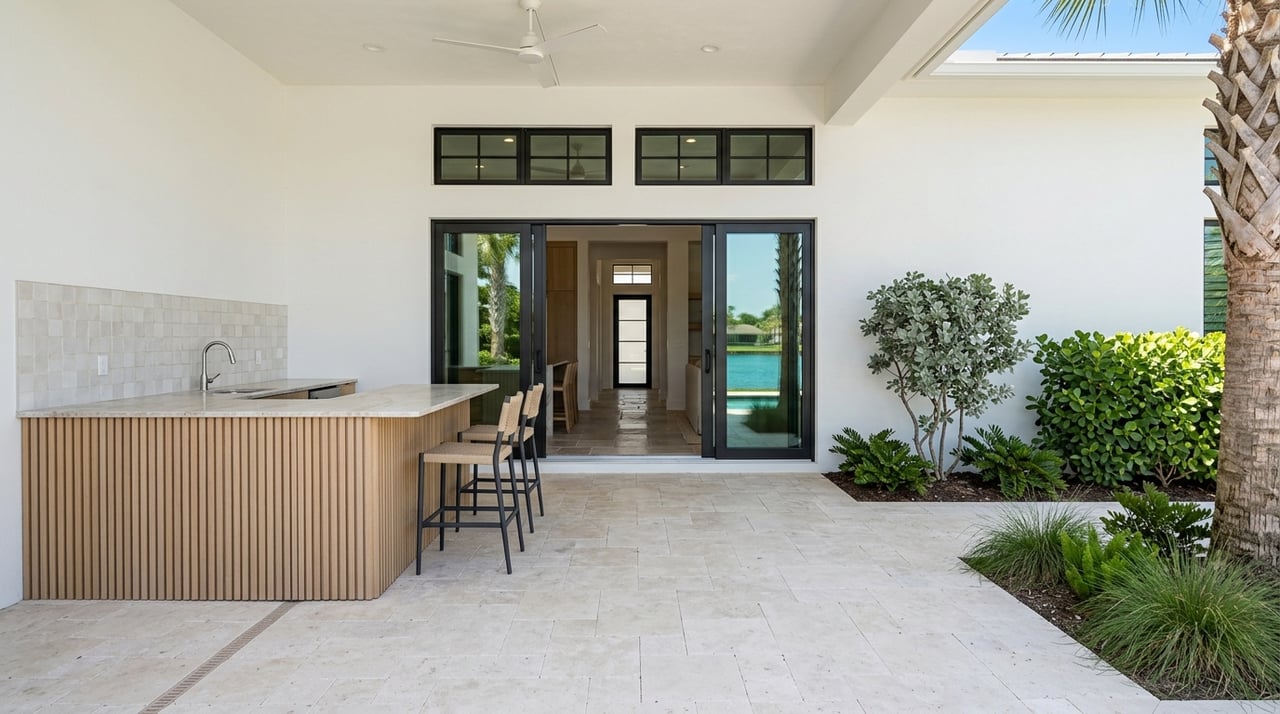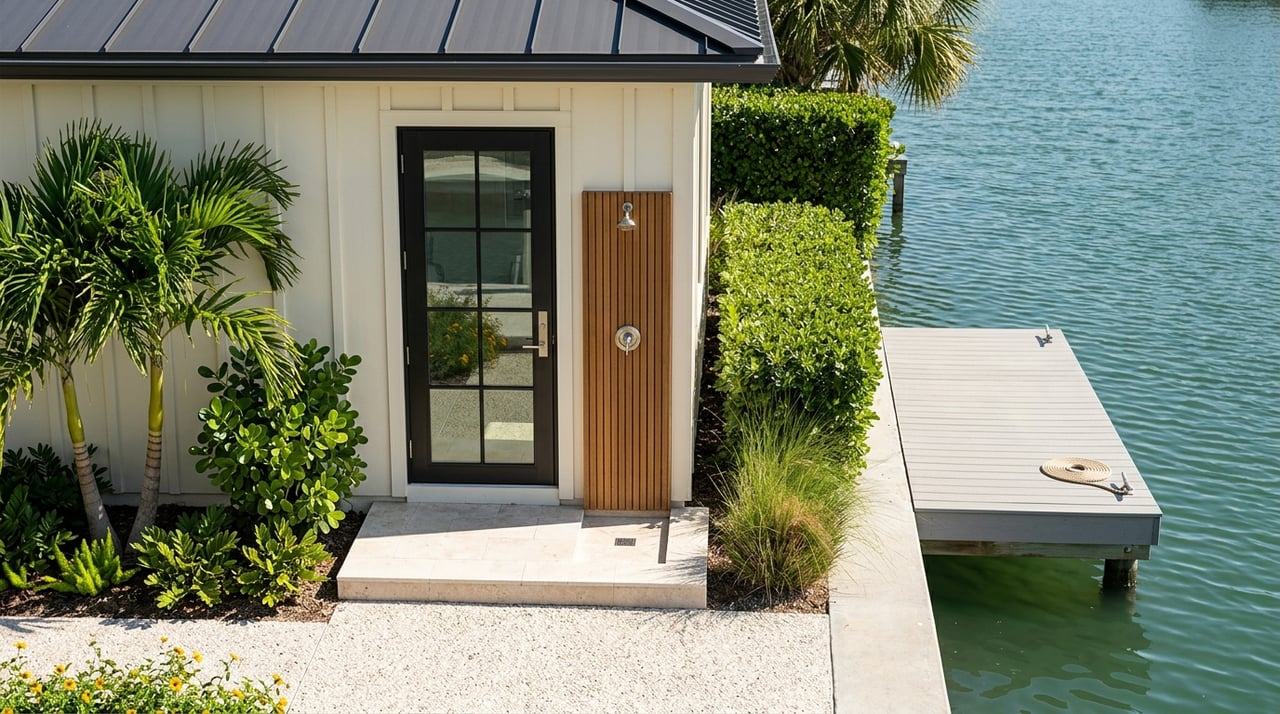
If you are thinking about buying a short-term rental in Jupiter, the opportunity can look exciting at first glance. Strong tourism across Palm Beach County, a recognizable coastal lifestyle, and Jupiter’s mix of beaches, riverfront access, and outdoor recreation all make the town stand out. The key is knowing how to evaluate a property beyond the photos so you can spot real rental potential, avoid costly restrictions, and make a smarter investment decision. Let’s dive in.
Why Jupiter draws short-term rental demand
Jupiter benefits from the larger Palm Beach County tourism engine. County tourism reporting shows 10.58 million visitors in FY2025, along with $7.21 billion in direct visitor spending and a projected $11.7 billion economic impact. That gives Jupiter a deep visitor base to pull from instead of relying on one narrow type of traveler.
What makes Jupiter different is its identity. The town’s visitor appeal centers on beaches, eco-tourism, parks, art, events, and local history. For you as an investor, that means the rental story is not just about a place to sleep. It is about offering access to the kind of coastal stay people specifically travel here to experience.
Jupiter also has physical features that support that story. The town has about 3.4 miles of beaches, a 2.5-mile dog-friendly beach stretch, public beach crossovers, and Riverwalk access connected to the Jupiter Inlet, marinas, waterfront dining, and public gathering spaces. Attractions like the Jupiter Inlet Lighthouse, DuBois Pioneer Home, and the Loxahatchee River Environmental Center add more reasons for guests to book beyond beach days alone.
Seasonality matters in Jupiter
Like much of coastal South Florida, Jupiter tends to follow a seasonal travel pattern. Regional tourism guidance points to winter as the best time to visit for weather, with October and April acting as shoulder months. If you are underwriting a deal, that means you should expect demand to be stronger in peak season and plan for some variation throughout the year.
This matters when you estimate income. A property that looks great during winter high season may not perform the same way in slower periods. You want a home that still feels compelling when guests are comparing options in the shoulder season, not just during the busiest months.
What property types fit Jupiter best
Under Florida law, a vacation rental can include a condo or co-op unit, or an individually or collectively owned single-family, two-family, three-family, or four-family house or dwelling unit that operates as a transient public lodging establishment. In practical terms, the most attractive Jupiter product is often a whole-home or low-density property that offers privacy, parking, and outdoor living.
That fits the local lifestyle buyers and renters are usually looking for. Jupiter’s strongest appeal is tied to beach access, waterfront activity, and outdoor time. A property that supports that experience usually has a better rental thesis than a generic unit with little connection to the surrounding lifestyle.
Features that strengthen rental appeal
When you evaluate a property in Jupiter, look for features that match what visitors come here to enjoy:
- Proximity to the beach, inlet, Riverwalk, or marinas
- Easy parking for guests
- Private outdoor space
- Patios, pools, or entertaining areas
- Layouts that work for families or multigenerational groups
- A clean, move-in-ready presentation
In Jupiter, the best-performing concept is usually not complicated. It is a home that feels like a true coastal getaway and makes it easy for guests to enjoy the town’s outdoor lifestyle.
Why HOA and condo rules can make or break the deal
This is one of the most important parts of the evaluation process. A property may look perfect for short-term rental use, but if the condo association or HOA restricts rentals, that can change everything. In many cases, the governing documents become the deciding factor.
Florida condo and HOA laws allow associations to restrict short rentals in certain situations. For condominiums, rental-ban or rental-term amendments apply only to owners who consent or to owners who take title after the amendment becomes effective. For HOAs, associations may amend governing documents to prohibit or regulate rental agreements under six months and may also prohibit renting more than three times in a calendar year.
What to review before you buy
Before closing on any Jupiter property you hope to use as a short-term rental, review:
- The declaration
- Bylaws
- Rules and regulations
- Any rental restrictions or minimum lease terms
- Limits on rental frequency
- Parking rules
- Occupancy rules
- Guest registration requirements
If you skip this step, you may buy a property that is legal under state law but unusable for your rental strategy.
State and county rules you need to know
At the state level, vacation rentals fall under Florida’s public lodging framework. Public lodging establishments must obtain a license from the Florida Division of Hotels and Restaurants, and vacation rentals are a defined class under Florida law. Florida also limits how local governments can regulate vacation rentals, while still allowing local authority around building and fire code compliance.
Palm Beach County adds a tax and registration layer that matters for every investor. The Palm Beach County Tax Collector says anyone offering short-term rentals of six months or less must collect Tourist Development Tax, register a TDT account, obtain a Short-Term Rental Local Business Tax Receipt for each account, renew that receipt annually, and display the TDT account number and business tax receipt number in online advertising.
The reporting timeline matters too. Monthly reporting is due on the 1st and becomes late after the 20th. If you are planning to self-manage or compare a self-managed model with professional management, this compliance workload should be part of your decision.
What Jupiter appears to require locally
Jupiter’s public-facing information emphasizes general code compliance rather than a clearly published standalone short-term rental permit process. The town highlights code enforcement topics such as housing standards, occupancy overcrowding, zoning, parking, signage, and minimum housing conditions. That suggests your property still needs to function within the town’s broader code framework, even if there is not a highly visible local STR permit page.
Because local interpretation can affect a specific address, it is smart to verify the property directly with the town before you close. That is especially important if the home has unusual parking, accessory structures, a nonstandard layout, or a location that may raise zoning questions.
How Jupiter compares with nearby coastal markets
Jupiter is not the same short-term rental play as every nearby beach town. Understanding that helps you choose the right property and set realistic expectations.
Jupiter vs. Juno Beach
Juno Beach presents as a quieter beach-and-nature destination. Official tourism messaging highlights pristine coastline, a dog-friendly beach, the pier, sea turtle nesting at Loggerhead Park, and a laid-back feel. Compared with Jupiter, Juno Beach may appeal more narrowly to beach-focused families and nature travelers.
Jupiter vs. Delray Beach
Delray Beach offers a different kind of draw. Downtown Delray is centered on a walkable village feel, art walks, dining, happy hour, nightlife, and two miles of uninterrupted beach near downtown. If your strategy depends on a broad short-stay audience and more entertainment-driven demand, Delray can feel stronger on that front than Jupiter.
Jupiter vs. Boca Raton and Palm Beach
Boca Raton leans more into luxury, business, and culture, while Palm Beach operates at the highest end of the prestige resort spectrum. Palm Beach tourism highlights Worth Avenue, The Breakers, the Henry Morrison Flagler Museum, the Lake Trail, beachfront parks, and close proximity to Palm Beach International Airport. Jupiter’s edge is different. It offers a more relaxed, nature-forward coastal identity that can be especially appealing to guests who want beaches, boating access, and outdoor living over a heavier nightlife or resort scene.
A simple checklist for evaluating STR potential
If you want a practical way to screen properties in Jupiter, start here:
- Does the location connect clearly to beaches, the inlet, Riverwalk, marinas, or waterfront activity?
- Does the home offer parking and functional outdoor space?
- Does the layout work well for families or group travel?
- Are there HOA or condo restrictions that limit short-term rentals?
- Can you meet state licensing and Palm Beach County tax requirements?
- Does the property appear to fit local code expectations on occupancy, parking, and housing standards?
- Would the home still stand out during slower seasonal periods?
If you can answer yes to most of these questions, you may be looking at a stronger candidate.
The bottom line on Jupiter short-term rentals
In Jupiter, the best short-term rental investments usually feel like true coastal experiences, not cookie-cutter lodging. Homes with beach or water access, parking, outdoor living, flexible layouts, and clear regulatory and HOA alignment tend to make the most sense. That local fit matters because Jupiter’s appeal is rooted in beaches, riverfront access, eco-tourism, and a relaxed coastal lifestyle.
If you are buying with both lifestyle and income in mind, this market can be compelling. The right property can serve as a personal retreat, a guest-ready asset, and a more marketable investment from day one. That is especially true when you pair smart acquisition decisions with thoughtful renovation, design, and a clear operating plan.
If you want help identifying the right Jupiter property, reviewing short-term rental fit, or creating a turnkey strategy for purchase, renovation, and rental management, schedule a consultation with Tyler Cameron.
FAQs
What makes a Jupiter property appealing as a short-term rental?
- The strongest Jupiter short-term rentals usually offer beach or water access, parking, outdoor living space, and a layout that works well for families or groups.
What short-term rental taxes apply in Palm Beach County?
- For rentals of six months or less, you must collect Palm Beach County Tourist Development Tax, register a TDT account, obtain a Short-Term Rental Local Business Tax Receipt, renew it annually, and follow the county’s reporting rules.
Can an HOA in Jupiter stop you from using a home as a short-term rental?
- Yes. HOA or condo rules can restrict rental terms, rental frequency, or short-term rentals altogether, so you should review governing documents before closing.
Does Jupiter have a separate short-term rental permit process?
- Jupiter’s public information appears to emphasize general code compliance rather than a prominently published standalone STR permit process, so you should verify the exact property with the town before you buy.
Is Jupiter better for short-term rentals than Delray Beach?
- They appeal to different guest types. Jupiter is more nature-forward and coastal, while Delray Beach has a stronger entertainment, dining, and nightlife draw.
What is the biggest mistake to avoid when buying an STR in Jupiter?
- One of the biggest mistakes is assuming a property can be used as a short-term rental without first confirming HOA rules, county tax requirements, and local code considerations for that specific address.